
Monday to Saturday - 8:00 -17:30

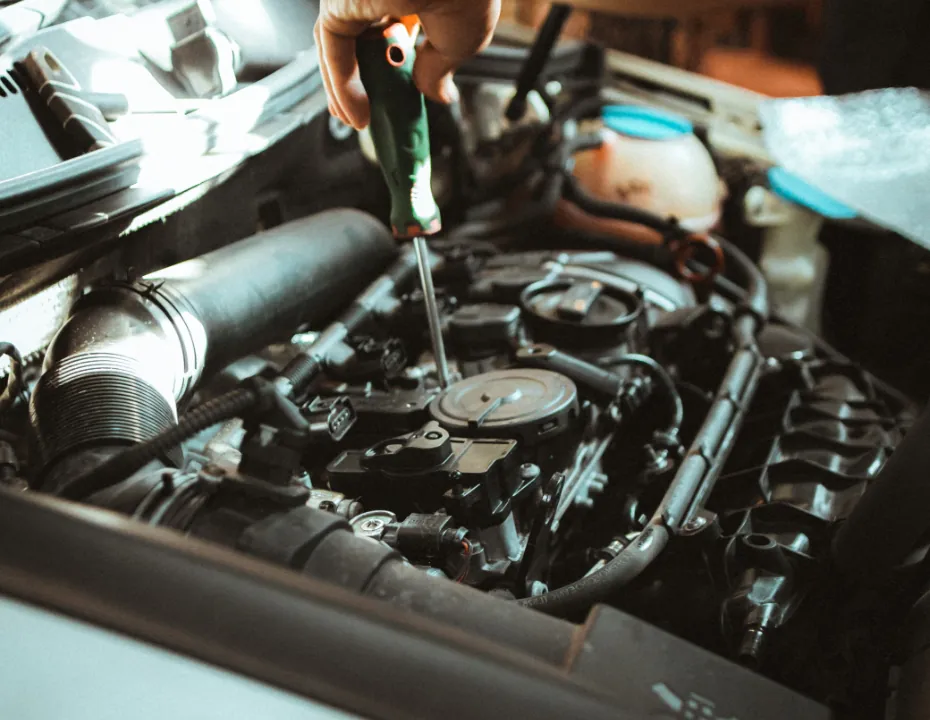
Keeping your vehicle clean is not just about washing the exterior and maintaining a shiny interior. Your engine bay also deserves attention. Over time, dust, dirt, oil residue, leaves, and other debris can accumulate under the hood. But is cleaning your engine bay really necessary, and how often should you do it?
The answer is yes, cleaning your engine bay can be beneficial when done correctly. Although it does not directly improve engine performance or increase horsepower, it can make routine maintenance easier, help you spot potential problems, and keep your vehicle in better overall condition.
Why Is Cleaning Your Engine Bay Important?
1. Makes It Easier to Spot Leaks
An engine bay covered in grease and dirt can make it difficult to notice fluid leaks. Cleaning away accumulated residue may help you identify fresh oil, coolant, or other fluid leaks before they develop into more serious problems.
2. Helps You Identify Damaged Components
A cleaner engine bay makes it easier to inspect hoses, belts, wiring, clamps, and other visible components. You may notice cracked hoses, loose connections, corrosion, or other signs of wear that need attention.
3. Helps Maintain Your Vehicle’s Appearance
A clean engine bay gives your vehicle a more cared-for appearance. This can be particularly useful when preparing a car for sale, displaying a vehicle, or keeping a work truck presentable.
4. Makes Routine Maintenance Easier
Dust and grease can accumulate around areas where technicians need to work. Removing excessive buildup can make certain maintenance tasks and visual inspections more convenient.
How Often Should You Clean Your Engine Bay?
There is no single cleaning schedule that suits every vehicle. Your driving conditions, vehicle age, and environment all matter.
For a vehicle driven mainly on clean city roads, occasional cleaning may be sufficient. Cars and trucks frequently exposed to dusty roads, mud, construction sites, or heavy use may need more frequent inspections and cleaning.
Instead of cleaning on a strict schedule, check the engine bay periodically and clean it when dirt or residue builds up noticeably. If you find heavy oil deposits or unexplained fluid accumulation, investigate the cause rather than simply washing it away.
How to Clean Your Engine Bay Safely
Cleaning under the hood requires more care than washing the exterior because the engine bay contains electrical components, sensors, connectors, and air-intake systems.
Follow these basic precautions:
- Turn off the engine: Allow the engine to cool sufficiently before cleaning to reduce the risk of burns and thermal damage.
- Remove loose debris: Carefully clear away leaves, dust, and other loose material.
- Protect sensitive components: Follow the vehicle manufacturer’s guidance for protecting electrical connectors, exposed electronics, and air intakes.
- Use appropriate cleaning products: Choose a cleaner designed for engine bays and compatible with the surfaces being cleaned.
- Avoid excessive water pressure: Do not direct high-pressure water at electrical connections, sensors, seals, or other vulnerable components.
- Dry everything carefully: Remove remaining moisture using suitable methods and ensure the engine bay is dry before starting the vehicle.
If you are unsure how to protect your vehicle’s components, consider having a qualified professional clean the engine bay.
What Should You Avoid When Cleaning an Engine Bay?
Avoid spraying water indiscriminately over the engine, using harsh chemicals that can damage rubber or plastic, and cleaning a hot engine. Never ignore warning lights, unusual smells, or running problems after cleaning. If the vehicle develops electrical or starting issues, stop and seek professional assistance.
It is also important to remember that an engine bay does not need to look brand-new to be in good condition. Excessive cleaning can introduce unnecessary risks if the process is not performed correctly.
Does a Clean Engine Bay Improve Engine Performance?
Not necessarily. Cleaning the engine bay does not automatically improve fuel economy, increase horsepower, or extend engine life. Its main benefits are improved appearance, easier visual inspections, and the ability to notice certain problems more easily.
Actual engine performance depends on factors such as proper maintenance, clean filters, healthy ignition and fuel systems, correct fluid levels, and timely repairs.
Final Thoughts
Cleaning your engine bay is a useful part of vehicle care when performed safely and when needed. It can help you spot leaks, identify visible wear, and make routine maintenance easier. However, using the right products and protecting sensitive components are essential.
Whether you drive a daily commuter car, a heavy-duty truck, or a commercial vehicle, regular inspections and proper maintenance are more important than appearance alone. When in doubt, consult your vehicle’s manual or a qualified mechanic before cleaning the engine bay.