Monday to Saturday - 8:00 -17:30

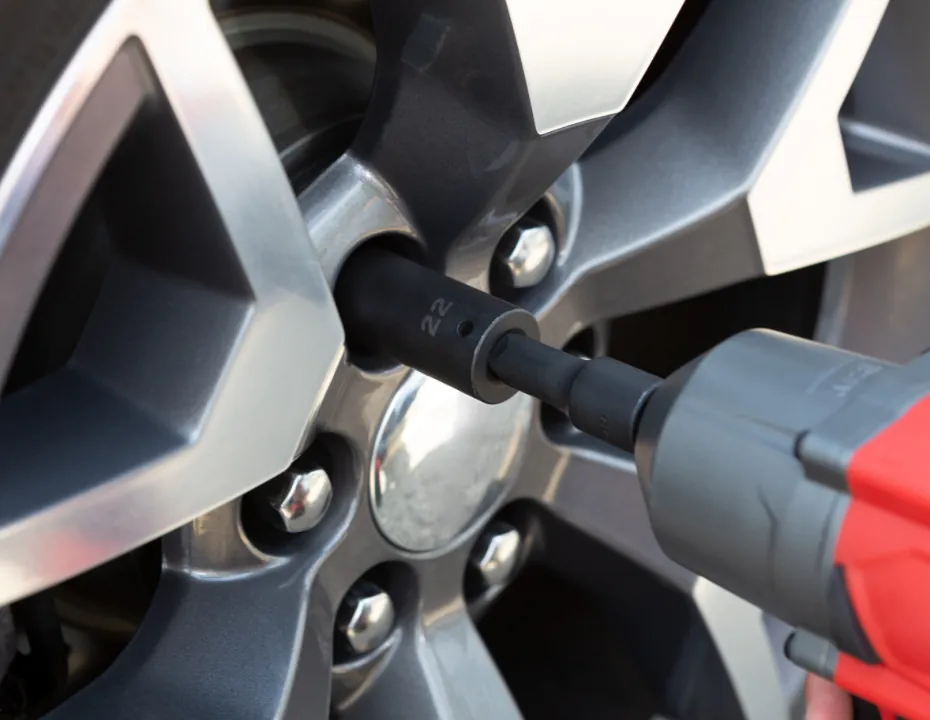
Choosing the right tyres for your vehicle is essential for safety, comfort, handling, and overall performance. When shopping for replacement tyres, you may come across OE (Original Equipment) tyres and standard replacement tyres. Both options can be suitable, but understanding their differences can help you make the right decision for your vehicle and budget.
So, should you buy OE tyres or normal tyres? The best choice depends on your driving habits, vehicle requirements, road conditions, and personal preferences.
What Are OE Tyres?
OE stands for Original Equipment. These are tyres selected and approved by a vehicle manufacturer for use on a particular vehicle model. They are developed to meet the manufacturer’s requirements for characteristics such as handling, ride comfort, noise levels, rolling resistance, and grip.
Some OE tyres are designed specifically for a particular vehicle, and their specifications may differ from those of other tyres with the same size. They may carry manufacturer-specific markings on the sidewall.
Benefits of OE Tyres
- Vehicle-specific performance: Designed to meet the requirements of the vehicle they were selected for.
- Balanced handling: Developed to work with the vehicle’s suspension, steering, and other systems.
- Comfort and noise considerations: May be tuned to provide the ride quality and noise characteristics intended by the manufacturer.
- Manufacturer recommendations: Can be a straightforward choice when replacing tyres with the same approved specification.
Potential Disadvantages of OE Tyres
OE tyres may cost more than some standard replacement options. They can also be harder to find in certain sizes or markets, particularly when the vehicle uses a specialized tyre specification.
However, not every OE tyre is expensive, and not every replacement tyre is cheaper. Prices depend on the brand, model, size, availability, and performance category.
What Are Normal Replacement Tyres?
Normal tyres, often called aftermarket or replacement tyres, are tyres sold for use on a wide range of compatible vehicles. They are available from numerous manufacturers and across different price and performance categories.
Unlike a tyre specifically developed for a particular vehicle model, a standard replacement tyre may be designed to offer broader compatibility or emphasize a particular benefit, such as wet-weather grip, durability, fuel efficiency, or affordability.
Benefits of Normal Replacement Tyres
- More choices: A wider selection of brands, designs, and performance characteristics may be available.
- Different price ranges: You can compare budget, mid-range, and premium options.
- Specialized performance: Some tyres focus on wet grip, long tread life, reduced road noise, or fuel efficiency.
- Availability: Common sizes may be easier to source from local tyre retailers.
Potential Disadvantages of Normal Replacement Tyres
Quality and performance vary between products. A cheaper tyre may not deliver the same wet braking, handling, comfort, or durability as a more capable alternative.
This does not mean standard replacement tyres are inferior to OE tyres. A high-quality replacement tyre that meets your vehicle’s requirements can perform as well as, or better than, an OE tyre in particular conditions.
OE Tyres vs. Normal Tyres: What’s the Difference?
| Feature | OE tyres | Normal replacement tyres |
|---|---|---|
| Main purpose | Meet a vehicle manufacturer’s original requirements | Provide suitable replacement options for compatible vehicles |
| Vehicle compatibility | May have vehicle-specific tuning or markings | Must match the vehicle’s approved specifications |
| Price | Varies; some can be expensive | Available across a broad range of budgets |
| Performance | Tuned to the original vehicle specification | Depends on the tyre’s design and quality |
| Choice | May be limited to specific models or markings | Often offers more brands and performance options |
| Best suited for | Drivers wanting to maintain the original specification | Drivers comparing different suitable performance and price options |
Which Tyres Should You Buy?
1. Choose OE Tyres If You Want to Maintain the Original Setup
If you are satisfied with your vehicle’s original ride, handling, and tyre performance, selecting the same OE tyre specification can be a sensible option. This is particularly useful for vehicles with specialized requirements or where the manufacturer recommends a specific tyre.
Check the sidewall markings and vehicle documentation to ensure you are selecting the correct product.
2. Choose Replacement Tyres If You Want More Options
If your priorities include cost, wet-weather performance, tread life, or a quieter ride, compare suitable replacement tyres from reputable manufacturers.
Read independent tyre tests when available, review product specifications, and consider the conditions in which you drive most often. A well-chosen replacement tyre can offer excellent value without requiring you to purchase the exact OE model.
3. Consider Your Road Conditions
Your usual driving environment should influence your decision. Drivers who frequently encounter heavy rain should pay close attention to wet braking and water evacuation. Those travelling on rough roads may need tyres suited to the vehicle’s intended use and road conditions.
For trucks and commercial vehicles, load requirements, axle position, operating conditions, and the tyre’s intended application are particularly important.
What Should You Check Before Buying Tyres?
Whether you choose OE or standard replacement tyres, always check the following:
- Tyre size: Match the size approved for your vehicle.
- Load index: Ensure the tyre can safely support the required load.
- Speed rating: Meet the manufacturer’s specified requirements.
- Season and road conditions: Choose a tyre suited to your climate and typical routes.
- Manufacturing date and condition: Check the tyre’s age, storage condition, and signs of damage.
- Brand and performance: Compare credible test results, warranties, and product specifications.
- Installation and maintenance: Have tyres fitted correctly and maintain the recommended inflation pressure.
Never select tyres based on price or appearance alone. Using the wrong size or an insufficient load rating can affect safety and vehicle handling.
Are OE Tyres Always Better?
No. OE tyres are selected to meet a manufacturer’s requirements for a particular vehicle, but that does not make them automatically superior in every situation.
A replacement tyre may offer better performance in a specific category, such as wet grip or tread life, depending on the products being compared. The right decision should be based on your vehicle’s approved specifications and your driving priorities rather than the OE label alone.
Final Thoughts
Choosing between OE tyres and normal replacement tyres comes down to compatibility, performance, availability, and budget. OE tyres can be a good option if you want to maintain your vehicle’s original tyre specification, while replacement tyres provide a broader range of choices for different driving needs.
Before making your purchase, consult your owner’s manual or the vehicle’s tyre placard, compare reputable products, and ensure that the tyres meet all required specifications. The best tyre is not necessarily the most expensive or the one originally fitted to the vehicle. It is the one that safely meets your vehicle’s requirements and performs well under your usual driving conditions.